
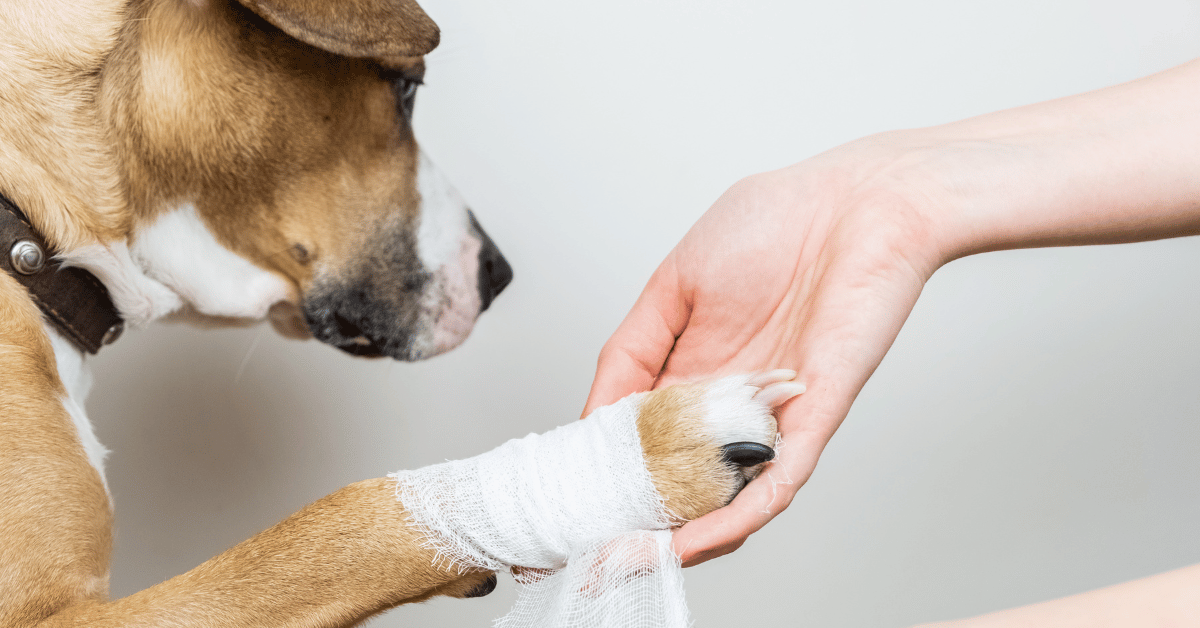
Dogs are naturally curious and active, which means minor injuries are sometimes unavoidable. From small cuts and scrapes to bite wounds and abrasions, knowing how to respond quickly and correctly can make a significant difference in healing. Proper wound care for dogs not only reduces pain but also helps prevent infection and long-term complications.
Veterinary data suggests that skin and soft tissue injuries account for nearly 10% of emergency veterinary visits, making wound care one of the most common reasons dogs are seen by a veterinarian. Understanding when home care is appropriate—and when professional treatment is needed—is essential for every dog owner.
Understanding Common Types of Dog Wounds
Not all wounds are the same, and the type of injury often determines the level of care required. Common dog wounds include:
Minor cuts and scrapes caused by rough play or outdoor activity
Abrasions, where the top layer of skin is worn away
Lacerations, which are deeper, open wounds
Puncture wounds, often caused by bites or sharp objects
Surgical wounds, which require special aftercare
Some wounds may appear small on the surface but extend deeper beneath the skin. Bite wounds, in particular, are high-risk because bacteria can be trapped under the skin, leading to infection.
First Aid Basics: Initial Wound Care for Dogs at Home
If your dog is injured, staying calm is the first step. Dogs can sense stress and may react defensively when in pain.
Safely Restrain Your Dog
Gently restrain your dog to prevent sudden movements. Even friendly dogs may bite when hurt, so using a muzzle or towel wrap may be necessary.
Cleaning the Wound
Proper wound care for dogs starts with cleaning:
Trim fur around the wound to improve visibility
Rinse the area with clean water or saline
Remove visible debris gently
Avoid hydrogen peroxide or alcohol, which can damage healthy tissue
Cleaning reduces bacterial contamination and promotes faster healing.
Treating Minor Dog Wounds
For small, superficial wounds, at-home care may be sufficient if done properly.
Apply Antiseptic and Protect the Area
Use a veterinarian-approved antiseptic solution and apply a thin layer of pet-safe antibiotic ointment if recommended. Never use human medications unless directed by a veterinarian.
Bandaging Basics
Some wounds benefit from being bandaged, while others heal better when left exposed. If bandaging:
Keep it snug but not tight
Change it daily or if it becomes wet or dirty
Monitor for swelling or irritation
Prevent Licking and Chewing
Dogs instinctively lick wounds, which can slow healing. Elizabethan collars (cones) or protective wraps can prevent interference and reduce infection risk.
What Not to Do When Caring for Dog Wounds
Mistakes in wound care can delay healing or worsen the injury. Avoid:
Using human pain relievers or antibiotics
Ignoring puncture wounds
Allowing wounds to scab without cleaning
Delaying care when symptoms worsen
According to veterinary studies, untreated wound infections can increase healing time by up to 50%, emphasizing the importance of proper early care.
Signs a Dog Wound Is Infected
Monitoring your dog’s wound daily is essential. Contact your veterinarian if you notice:
Redness or swelling
Discharge or pus
A foul odor
Increased pain or limping
Lethargy or fever
Dogs often hide pain, so subtle changes in behavior can be an early warning sign.
When to See a Veterinarian for Wound Care for Dogs
Some wounds require immediate professional attention. You should seek veterinary care if:
The wound is deep or bleeding heavily
The injury is caused by a bite
The wound does not improve within 2–3 days
There are signs of infection
The wound is near the eyes, joints, or abdomen
Prompt veterinary wound care for dogs reduces the risk of complications and supports proper healing.
Professional Veterinary Treatment Options
At a veterinary clinic, wound care may include:
Thorough cleaning and removal of damaged tissue
Sutures or staples for deeper wounds
Antibiotics or pain medication
Follow-up visits to monitor healing
Veterinary intervention is especially important for wounds that involve deeper tissue layers or infection risk.
Preventing Future Injuries
While accidents happen, prevention can reduce risk. Regular grooming allows early detection of cuts or skin issues. Keeping your dog on a leash in unfamiliar areas, supervising play, and maintaining parasite prevention all help protect skin health.
Wound Care for Dogs: Knowing When Home Care Isn’t Enough
Wound care for dogs requires careful judgment. While minor injuries can often be managed at home, recognizing when professional help is needed can prevent pain, infection, and long-term damage. Early intervention leads to better outcomes and faster recovery.
If your dog has a wound and you’re unsure how serious it is, the team at Animal Care Clinic is here to help. Schedule an appointment today for expert evaluation, compassionate treatment, and guidance you can trust to keep your dog healthy and comfortable.