Raw diets for dogs have surged in popularity over the past decade. Supporters swear by shinier coats, cleaner teeth, and boundless energy. Critics warn of bacterial contamination and nutritional gaps. If you've been researching the pros and cons of raw diet for dogs, you're not alone — it's one of the most debated topics in pet nutrition today.
So what does the evidence actually say, and how do you decide if raw feeding is right for your dog? Let's break it down.
What Exactly Is a Raw Diet for Dogs?
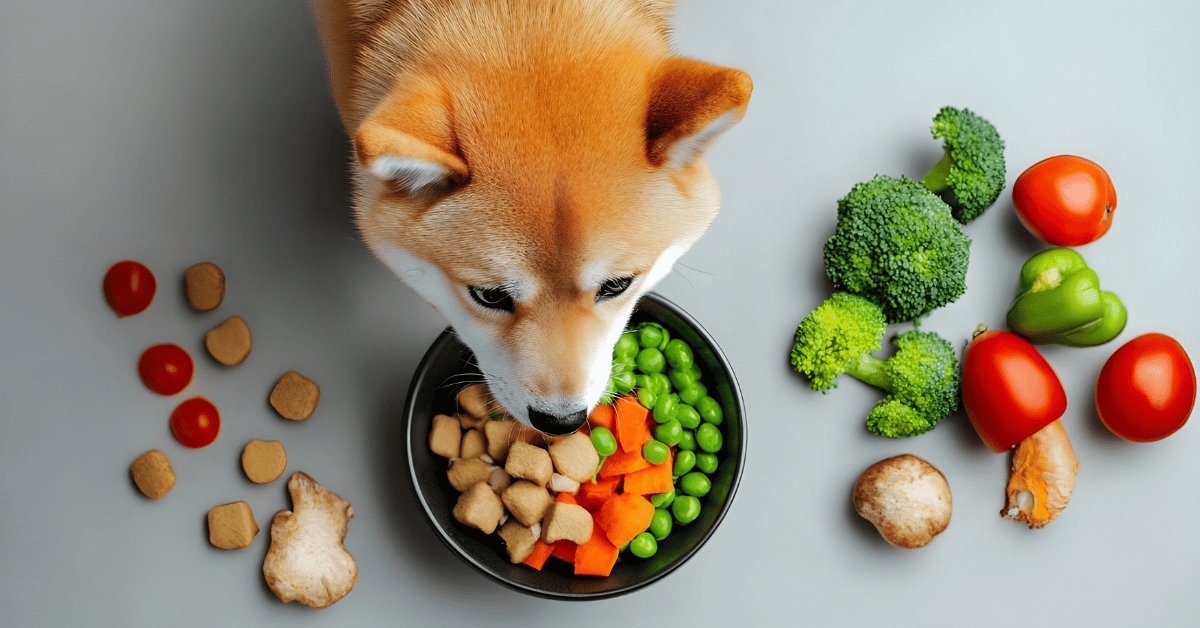
A raw diet — sometimes called BARF (Biologically Appropriate Raw Food) — typically consists of uncooked muscle meat, organ meat, raw bones, eggs, and sometimes fruits and vegetables. Some pet owners prepare meals at home from scratch, while others purchase commercially prepared raw food that comes frozen or freeze-dried. The core idea is that dogs evolved as carnivores and thrive on food that mimics what their ancestors ate in the wild.
The Pros of Feeding Your Dog a Raw Diet
Advocates of raw feeding point to several potential benefits, and some dogs do show noticeable improvements after switching.
Healthier skin and coat. Many raw-fed dogs develop a noticeably shinier, softer coat. The higher fat content from natural animal sources can reduce dry, flaky skin.
Improved dental health. Chewing raw meaty bones can help scrape away plaque and tartar buildup, which may reduce the risk of periodontal disease over time.
Smaller, firmer stools. Dogs on raw diets tend to produce less waste because they're absorbing more nutrients from whole-food ingredients with fewer fillers.
Increased energy and lean muscle. A high-protein, low-carbohydrate diet can support healthy muscle development and sustained energy levels, especially in active or working breeds.
Fewer processed ingredients. Raw diets eliminate the artificial preservatives, dyes, and by-products found in some commercial kibbles, giving owners more control over exactly what their dog consumes.
The Cons and Risks You Shouldn't Ignore
Despite the appeal, the pros and cons of raw diet for dogs aren't one-sided. There are legitimate risks that deserve careful consideration.
Bacterial contamination. Raw meat can harbor Salmonella, E. coli, and Listeria — dangerous not only for your dog but for the humans handling the food, especially children, elderly family members, or anyone with a compromised immune system.
Nutritional imbalances. Without veterinary guidance, homemade raw diets often lack essential nutrients like calcium, phosphorus, and certain vitamins. Over time, deficiencies can lead to serious health problems including weakened bones and organ damage.
Choking and internal injury from bones. Raw bones are safer than cooked ones, but they still pose a risk. Splintered bone fragments can crack teeth, obstruct the digestive tract, or puncture the stomach or intestines.
Higher cost and inconvenience. Quality raw ingredients are significantly more expensive than premium kibble, and meal prep requires time, freezer space, and strict hygiene protocols to prevent cross-contamination in your kitchen.
Limited scientific backing. While anecdotal reports are encouraging, large-scale clinical studies supporting the superiority of raw diets over high-quality commercial foods remain limited. Most veterinary organizations, including the AVMA, advise caution.
How to Make the Safest Choice for Your Dog
If you're weighing the pros and cons of raw diet for dogs and leaning toward trying it, the most important step you can take is talking to your veterinarian first. Every dog has different nutritional needs based on age, breed, weight, activity level, and health conditions. A diet that works well for an active young Labrador could be harmful for a senior dog with kidney disease.
Should you decide to go raw, consider starting with a commercially prepared raw food from a reputable brand that meets AAFCO nutritional standards. These products are formulated to provide balanced nutrition and undergo safety testing that homemade meals typically don't. If you prefer home-prepared meals, work with a board-certified veterinary nutritionist to create a complete and balanced recipe.
Regardless of the path you choose, regular wellness exams and bloodwork help catch any nutritional issues early — before they become serious.
Your Dog's Nutrition Matters — Let's Talk About It
There's no single "perfect" diet for every dog, and the raw feeding debate isn't as black-and-white as the internet makes it seem. What matters most is that your dog gets complete, balanced nutrition tailored to their individual needs.
At Animal Care Clinic, Dr. Stenstrom and our team are happy to discuss your dog's diet, review their nutritional needs, and help you make an informed decision. Call us at 785-762-5631 or request an appointment online — your dog's health is worth the conversation.