
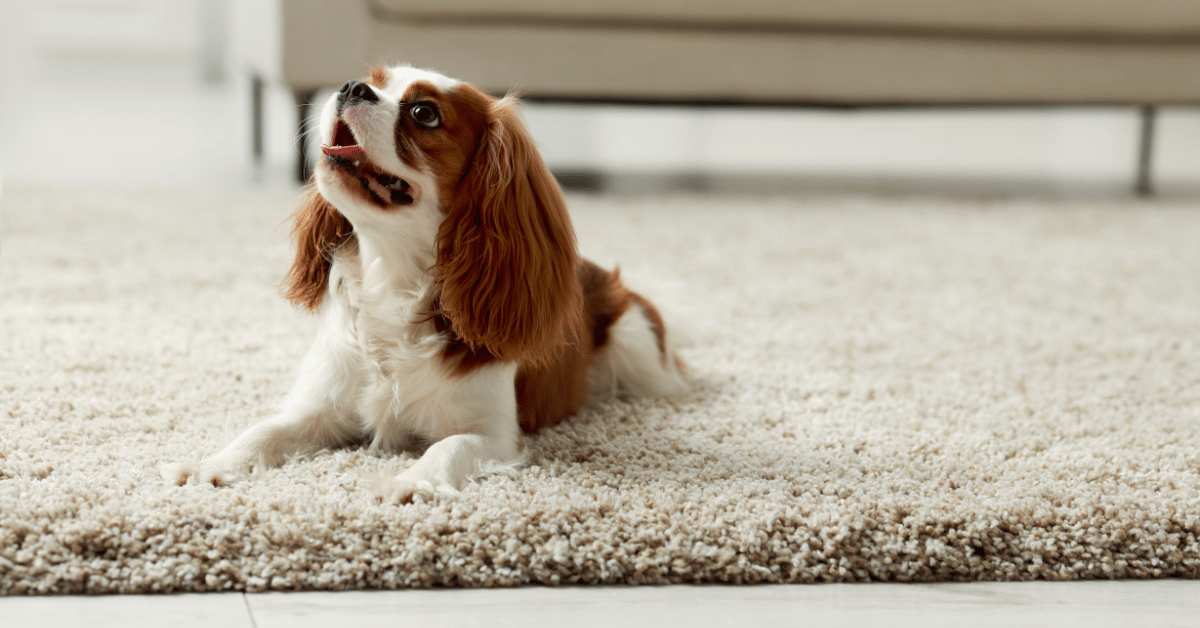
Creating a pet-friendly home is one of the best ways to ensure your dog or cat lives a happy, healthy, and enriching life. As more people welcome pets into their families—about 66% of U.S. households now own a pet, according to the American Pet Products Association (APPA)—the demand for safer, more comfortable living spaces for animals continues to rise. Whether you’re preparing for a new pet or improving your current setup, understanding how to create a pet-friendly home can make a significant difference in your pet’s well-being.
Understanding Your Pet’s Unique Needs
Every pet is different, and creating a pet-friendly home starts with understanding your companion’s age, breed, temperament, and behavioral tendencies. For example, high-energy breeds may require more space and enrichment activities, while senior pets need slip-resistant floors and easily accessible living areas. Observing your pet’s habits can also help you determine potential risks or stressors in your home.
Routine veterinary care plays a crucial role in understanding your pet’s health and behavior. Regular checkups at Animal Care Clinic can help identify mobility issues, anxiety, or special dietary needs that may influence how you set up your home environment.
Creating a Safe Environment
Safety is at the core of every pet-friendly home. Many common household items can pose hazards to curious pets. The ASPCA reports that nearly 400,000 pets are affected by accidental poisonings each year. By identifying and securing potential dangers, you reduce your pet’s risk of injury.
Remove Common Hazards
Toxic plants such as lilies, sago palms, and philodendrons
Foods like chocolate, grapes, and xylitol-containing snacks
Electrical cords or loose wires
Small household objects that can cause choking
Secure High-Risk Areas
Use safety locks on cabinets containing cleaning supplies
Block access to garages and workshops
Keep trash bins secured
Install gates around staircases or rooms under renovation
These steps not only protect your furry friend but also reinforce the foundation of a truly pet-friendly home.
Comfort and Enrichment Spaces
A home that supports your pet’s emotional and physical well-being is just as important as one that ensures safety.
Create a Personal Retreat
Pets thrive when they have a dedicated spot to relax. Choose a quiet area away from foot traffic and equip it with:
A comfortable, washable bed
Soft blankets
Access to fresh water
Calming elements such as dim lighting or a white-noise machine
This helps reduce anxiety and provides stability, especially for pets who are easily stressed by loud noises or visitors.
Stimulating Play and Activity Zones
Boredom is one of the leading causes of behavioral issues. Studies show that mentally stimulated dogs are 40% less likely to develop destructive habits. Provide:
Interactive puzzle toys
Scratching posts for cats
Safe chew toys
Indoor tunnels or climbing structures
Offering both mental and physical enrichment keeps your pet engaged and encourages healthy exercise.
Choosing Pet-Friendly Materials and Furniture
The materials in your home can impact cleanliness, durability, and overall pet safety.
Flooring
Opt for pet-friendly flooring options such as:
Vinyl or laminate (scratch-resistant and easy to clean)
Tile (durable and stain-resistant)
Low-pile carpets (traps fewer allergens and fur)
Furniture and Fabrics
Pet-friendly materials like microfiber, leather alternatives, and tightly woven fabrics are less likely to absorb odors or trap hair. Avoid delicate fabrics like silk or heavy textures that can snag easily.
Cleaning Solutions
Look for non-toxic, pet-safe cleaning products. Pets spend a significant portion of their day close to the floor—dogs spend 50–60% of their time lying down, according to veterinary behavior studies—so avoiding harsh chemicals helps promote better respiratory and skin health.
Organization for a Harmonious Home
A well-organized space helps streamline daily routines and reduces clutter that can cause safety hazards.
Helpful Ideas Include:
Dedicated storage for toys, leashes, grooming items, and medications
Defined feeding areas with non-slip mats
Strategic litter box placement that ensures privacy while reducing odor
These small changes make your home more comfortable for both pets and people.
Safe and Pet-Friendly Outdoor Spaces
If your home includes a yard or patio, make sure outdoor areas are secured and free from hazards.
Outdoor Safety Tips
Check fences for gaps or loose boards
Remove toxic plants
Provide shaded areas and constant access to fresh water
Use pet-safe pest control methods
Regular parasite prevention, a service offered at Animal Care Clinic, is essential for maintaining a healthy outdoor environment.
Final Tips on How to Create a Pet-Friendly Home
Learning how to create a pet-friendly home is an ongoing process. As your pet grows and their needs change, your home should adapt with them. By prioritizing safety, comfort, enrichment, and thoughtful organization, you can create a welcoming environment that enhances your pet’s quality of life and strengthens the bond you share.
If you’re unsure where to begin or want personalized recommendations tailored to your pet’s health and behavior, Animal Care Clinic is here to help. Schedule a wellness visit today and let our team guide you in creating the safest, happiest home for your furry companion.