
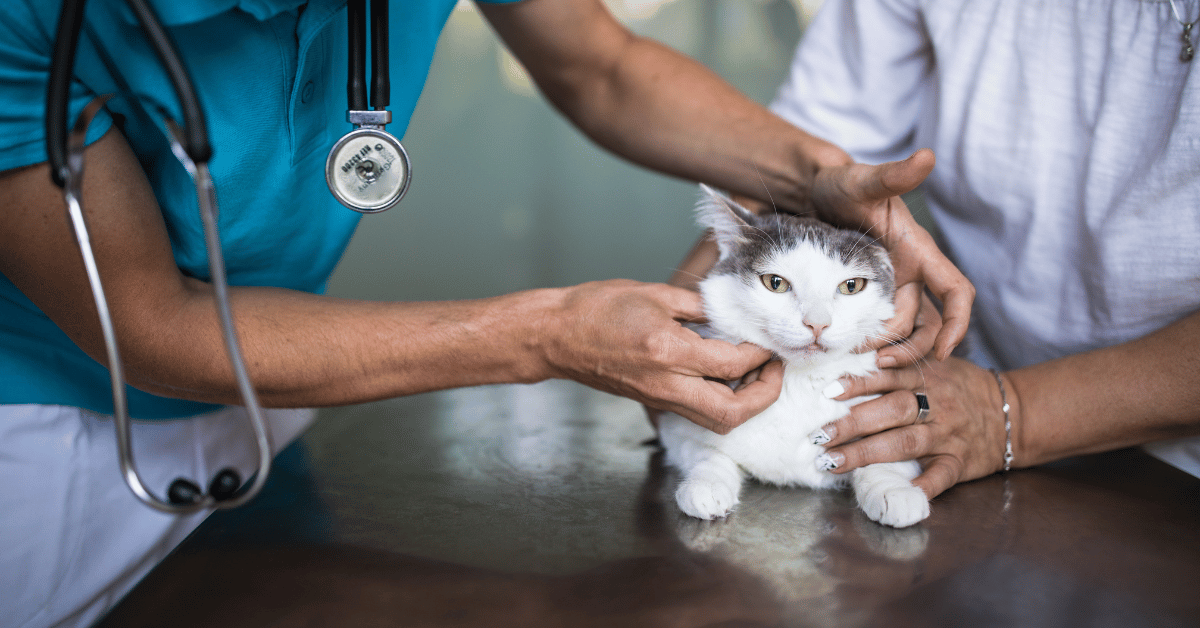
Few things alarm cat owners more than the sound of their pet about to be sick. While the occasional hairball is part of life with a feline, frequent or unusual vomiting can signal something more serious. Knowing the difference between a minor upset and a veterinary emergency could save your cat's life.
Vomiting in cats is one of the most common reasons pet owners schedule appointments at our clinic. The good news: most cases have straightforward causes and treatments. The key is understanding what's normal, what's not, and when to seek professional help.
Common Causes of Cat Vomiting
Cats vomit for many reasons, and not all of them require a trip to the vet. Here are the most frequent culprits:
Hairballs. Cats groom constantly, swallowing loose fur that can accumulate in the stomach. When the hair can't pass through the digestive tract, it comes back up. Occasional hairballs—once every week or two—are typically normal, especially in long-haired breeds.
Eating too fast. Some cats inhale their food, which can trigger regurgitation shortly after meals. If your cat vomits undigested food within minutes of eating, this is likely the cause.
Dietary changes or sensitivities. Switching foods abruptly, eating something they shouldn't (plants, human food, garbage), or developing a food intolerance can all upset your cat's stomach.
Motion sickness. Car rides can make some cats nauseous, resulting in vomiting during or after travel.
These causes are generally manageable at home with simple adjustments like slower-feeding bowls, gradual food transitions, or more frequent brushing.
Warning Signs That Require Veterinary Attention
While occasional vomiting may be harmless, certain patterns and symptoms demand prompt medical evaluation. Contact your veterinarian if you notice:
Vomiting multiple times in 24 hours. A single episode might be nothing, but repeated vomiting can quickly lead to dehydration and indicates an underlying problem.
Blood in the vomit. Whether bright red or dark and coffee-ground-like, blood is always a red flag that requires immediate attention.
Accompanying symptoms. Diarrhea, lethargy, loss of appetite, weight loss, or changes in drinking habits alongside vomiting suggest a systemic issue rather than simple stomach upset.
Unproductive retching. If your cat appears to be trying to vomit but nothing comes up, this could indicate a life-threatening intestinal blockage.
Known toxin exposure. If your cat may have ingested something toxic—certain plants, medications, chemicals, or human foods like onions or chocolate—seek emergency care immediately.
Serious Conditions That Cause Vomiting in Cats
Chronic or severe vomiting can point to conditions that need professional diagnosis and treatment:
Gastrointestinal disease encompasses inflammatory bowel disease, infections, parasites, and tumors. These conditions often cause persistent vomiting along with weight loss and appetite changes.
Kidney disease is common in older cats and frequently presents with vomiting, increased thirst, and urination changes. Early detection through bloodwork can significantly improve outcomes.
Hyperthyroidism affects many senior cats, causing vomiting, weight loss despite a good appetite, and hyperactivity. This condition is highly treatable once diagnosed.
Pancreatitis involves inflammation of the pancreas and can cause severe vomiting, abdominal pain, and lethargy. It requires veterinary intervention for proper management.
Foreign body obstruction occurs when cats swallow objects like string, rubber bands, or small toys that become lodged in the digestive tract. This is a surgical emergency.
What to Do When Your Cat Vomits
For a single vomiting episode with no other symptoms, you can monitor your cat at home for 12 to 24 hours. Withhold food for a few hours to let the stomach settle, then offer small amounts of bland food. Ensure fresh water is available to prevent dehydration.
However, trust your instincts. You know your cat better than anyone. If something feels wrong—if your cat seems uncomfortable, withdrawn, or just "not themselves"—don't wait. Early intervention often means simpler treatment and better outcomes.
Keep Your Cat Healthy with Regular Care
The best way to catch problems early is through routine wellness exams. Regular checkups allow us to monitor your cat's overall health, catch changes before they become emergencies, and discuss any concerns you've noticed at home.
If your cat is vomiting and you're unsure whether it's serious, we're here to help. Contact Animal Care Clinic to schedule an appointment or discuss your cat's symptoms with our team. When it comes to your pet's health, it's always better to ask.