
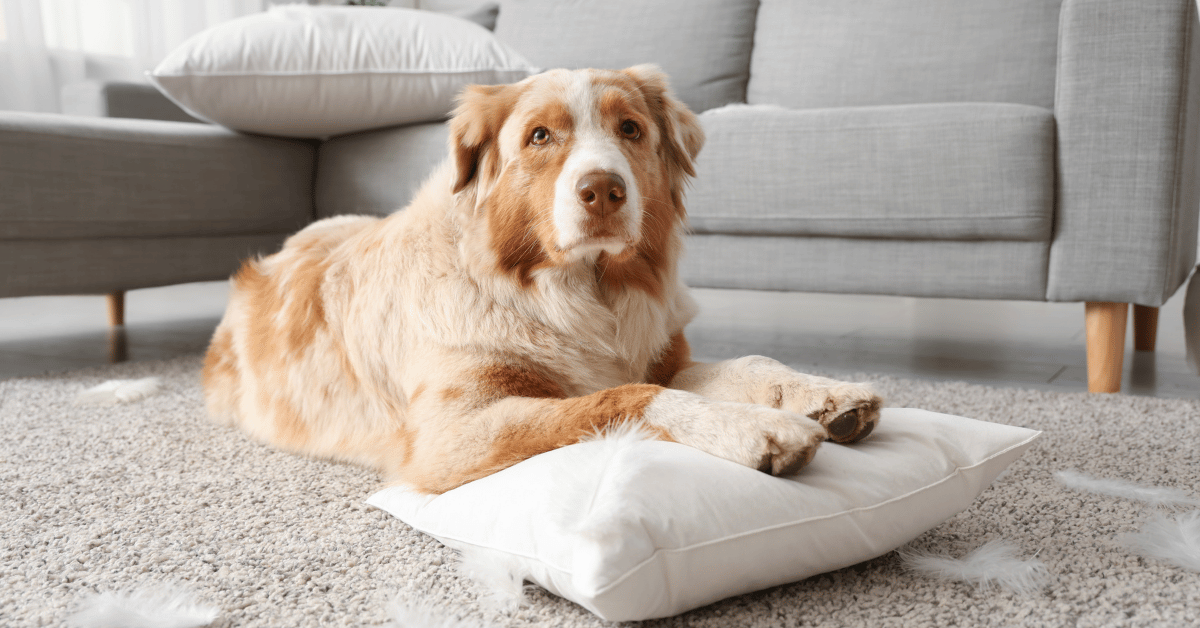
You come home to shredded couch cushions, complaints from the neighbors about nonstop barking, and a dog who acts like you've been gone for years — even though it's only been a few hours. Sound familiar? These behaviors aren't your dog being spiteful or poorly trained. They could be signs of separation anxiety in dogs, a genuine behavioral condition that affects an estimated 20 to 40 percent of dogs seen by veterinary behaviorists.
Understanding what separation anxiety looks like — and what it doesn't — is the first step toward helping your dog feel safe when you're away.
What Separation Anxiety Actually Is
Separation anxiety is a stress response triggered when a dog is separated from the person or people they're most attached to. It goes beyond mild whining at the door. Dogs with true separation anxiety experience real distress, similar to a panic attack in humans. Their behavior isn't a choice or a sign of disobedience — it's a symptom of genuine fear.
Some dogs are more predisposed than others. Rescue dogs, dogs who experienced early rehoming, and breeds with strong bonding tendencies can be more vulnerable. Major life changes — a move, a shift in your work schedule, or the loss of a family member — can also trigger the condition in dogs who were previously fine on their own.
Common Signs of Separation Anxiety in Dogs
The signs of separation anxiety in dogs tend to follow a pattern: the behavior happens almost exclusively when the dog is alone or about to be left alone. Watch for these indicators.
Destructive chewing or scratching. Dogs with separation anxiety often target doors, window frames, and crates — anything near an exit point. This isn't random destruction; it's an attempt to escape and find you.
Excessive barking, howling, or whining. Vocalization that starts shortly after you leave and continues for extended periods is a hallmark sign. Neighbors or a pet camera can help confirm whether this is happening.
Pacing and restlessness. Some dogs walk in repetitive patterns — back and forth along a fence line, in circles, or from room to room — when left alone.
House soiling despite being housetrained. A fully trained dog who urinates or defecates inside only when left alone is showing a classic anxiety response, not a housetraining failure.
Escape attempts. Dogs may try to break out of crates, push through doors, or even jump through windows. These attempts can result in broken teeth, torn nails, and serious injuries.
Excessive drooling or panting. Physical stress responses like heavy salivation and rapid breathing — with no heat or exercise to explain them — often indicate anxiety.
Clingy behavior before you leave. If your dog shadows you from room to room and becomes visibly agitated when you pick up your keys or put on shoes, they're anticipating the separation and already feeling stressed.
What Separation Anxiety Is Not
Not every unwanted behavior points to anxiety. A bored dog who chews furniture when left without toys or stimulation isn't necessarily anxious — they're under-stimulated. A puppy who hasn't fully mastered housetraining isn't showing anxiety by having accidents. And a dog who barks at squirrels through the window isn't experiencing separation distress.
The distinguishing factor is context. True signs of separation anxiety in dogs appear specifically when the dog is separated from their owner and typically resolve the moment the owner returns.
How to Help a Dog With Separation Anxiety
Separation anxiety won't resolve on its own, but with the right approach, most dogs improve significantly.
Start with short practice departures. Leave for just a few minutes and return before your dog becomes distressed, gradually increasing the time. Keep departures and arrivals low-key — dramatic goodbyes and enthusiastic greetings actually reinforce the idea that your absence is a big event.
Provide mental enrichment while you're away. Puzzle feeders, frozen stuffed Kongs, and long-lasting chews give your dog a positive association with alone time. Exercise before you leave can also take the edge off excess energy and stress.
For moderate to severe cases, talk to your veterinarian. Behavioral medication can be a valuable part of a treatment plan, especially when combined with gradual desensitization training. Your vet can rule out medical causes for symptoms like house soiling and recommend whether a veterinary behaviorist referral is appropriate.
Your Dog Doesn't Have to Struggle Alone
If you're recognizing these signs of separation anxiety in dogs, know that help is available — and the earlier you address it, the better the outcome. Separation anxiety is a medical and behavioral condition, not a character flaw in your pet.
At Animal Care Clinic, Dr. Stenstrom and our team can evaluate your dog's symptoms, rule out underlying health issues, and guide you toward an effective treatment plan. Call us at 785-762-5631 or request an appointment online. Your dog deserves to feel calm and safe, even when you're not home.