
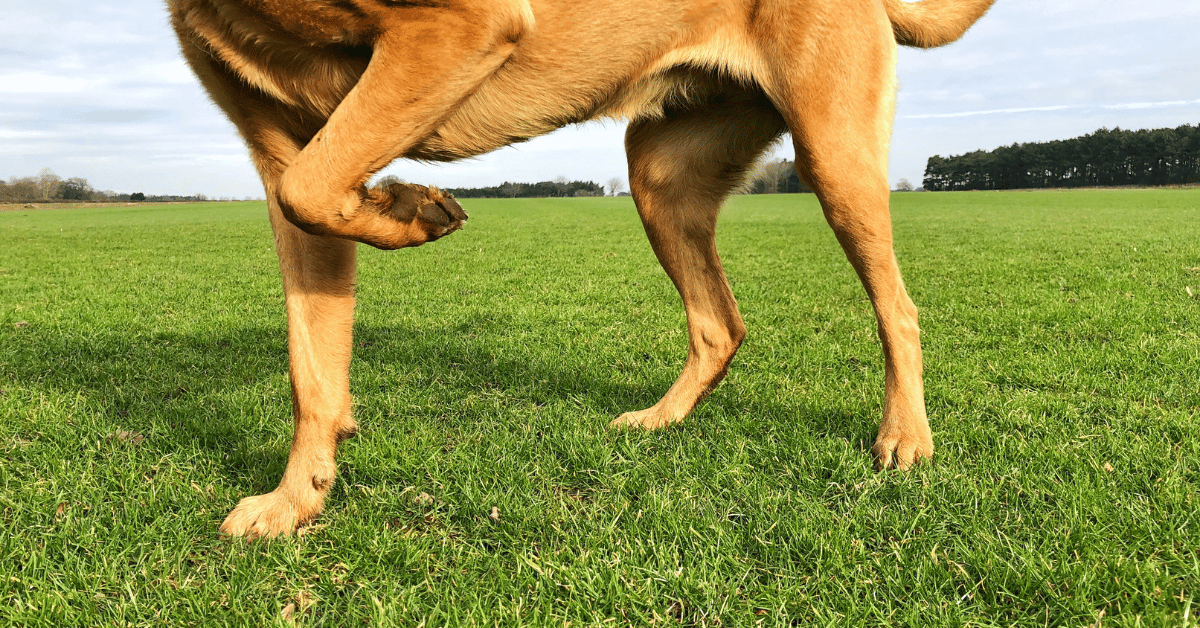
Seeing your dog limping can be alarming, especially when it happens suddenly. Whether your dog is favoring a back leg after a walk or hobbling on a front leg first thing in the morning, limping is your dog's way of telling you something hurts.
At Animal Care Clinic in Junction City, KS, we regularly evaluate dogs with limping and lameness. While some causes are minor and resolve on their own, others require prompt veterinary attention. Here is a guide to the most common reasons dogs limp and what you should do about it.
Types of Limping in Dogs
Before diving into causes, it helps to understand the two main types of limping:
Gradual-onset limping: Develops slowly over time and is usually caused by chronic conditions such as arthritis, hip dysplasia, or degenerative joint disease.
Sudden onset limping: Appears out of nowhere, often after exercise, play, or a jump. This is more commonly associated with injuries like sprains, fractures, or ligament tears.
Both types warrant attention, but sudden limping with severe pain, swelling, or an inability to bear weight requires urgent veterinary care.
Common Causes of Dog Limping: Back Leg
1. Cruciate Ligament (ACL/CCL) Injury
A ruptured or torn cranial cruciate ligament (CCL) is one of the most common causes of sudden back leg limping in dogs. This ligament stabilizes the knee joint, and when it tears, your dog may suddenly hold up the affected leg or bear only partial weight on it. CCL injuries are especially common in larger breeds and active dogs. Surgery is often required for a full recovery.
2. Hip Dysplasia
Hip dysplasia is a genetic condition where the hip joint does not fit properly into the hip socket. It causes pain, stiffness, and limping, particularly in large and giant breeds like German Shepherds, Labrador Retrievers, and Golden Retrievers. Symptoms often worsen after rest or during cold weather.
3. Patellar Luxation
Patellar luxation occurs when the kneecap slips out of its normal position. It is more common in small breeds like Chihuahuas, Pomeranians, and Yorkshire Terriers. You may notice your dog skipping or hopping on one leg for a few strides before walking normally again.
4. Arthritis
Arthritis causes chronic inflammation and stiffness in the joints. It is especially common in older dogs and can affect any leg. Dogs with arthritis may limp more in the morning or after resting, and their stiffness may improve with gentle movement.
Common Causes of Dog Limping: Front Leg
1. Paw Pad Injuries
Cuts, punctures, burns, or foreign objects (like thorns or glass) stuck in the paw pad are common causes of front leg limping. Check your dog's paws carefully for any visible injuries, swelling, or objects lodged between the toes.
2. Broken or Torn Nails
A broken or torn nail can be very painful for dogs. If the nail is bleeding or the quick is exposed, your dog will likely limp and lick the affected paw.
3. Sprains and Strains
Just like humans, dogs can strain muscles or sprain ligaments during physical activity. A mild sprain may cause your dog to limp for a day or two before improving, while a severe strain may require veterinary care.
4. Fractures
A broken bone will typically cause severe, sudden limping. Your dog may refuse to put any weight on the leg, and you may notice swelling, bruising, or an abnormal angle to the limb. Fractures always require immediate veterinary attention.
Other Possible Causes of Limping
• Intervertebral disc disease (IVDD), which causes back pain that can lead to limping or difficulty walking
• Tick-borne diseases like Lyme disease, which can cause shifting limping from one leg to another
• Bone infections (osteomyelitis)
• Bone cancer (osteosarcoma), more common in large breed senior dogs
• Growing pains (panosteitis) in young, large-breed puppies
When to See the Vet for a Limping Dog
You should bring your dog to the vet if:
• The limping lasts more than 24 to 48 hours
• Your dog cannot bear weight on the affected leg
• There is visible swelling, bruising, or deformity
• The limb hangs at an unusual angle
• Your dog cries, whimpers, or resists being touched on the leg
• The limping is getting worse over time
• Your dog is also lethargic, not eating, or has a fever
• The limping seems to shift from one leg to another
Seek emergency care if you suspect a fracture, if there is excessive bleeding from a paw injury, or if your dog suddenly cannot walk or stand.
How Veterinarians Diagnose the Cause of Limping
When you bring your limping dog to Animal Care Clinic, our team will perform a comprehensive evaluation that may include:
• Observing your dog's gait and movement
• Palpating joints, muscles, and bones for pain or swelling
• Testing range of motion in the affected limb
• X-rays to check for fractures, arthritis, or joint abnormalities
• Blood work to rule out infections or tick-borne diseases
• Advanced imaging (CT or MRI) for complex cases
Treatment Options for a Limping Dog
Treatment depends entirely on the diagnosis:
Minor sprains and strains: Rest, anti-inflammatory medication, and restricted activity for a few days to a week.
Paw injuries: Cleaning, bandaging, and antibiotics if infection is present.
Cruciate ligament tears: Surgical repair is usually recommended, followed by rehabilitation.
Arthritis: Long-term management with pain medication, joint supplements, weight management, and physical therapy.
Hip dysplasia: Depending on severity, treatment ranges from weight management and supplements to surgical options.
Fractures: Splinting, casting, or surgical repair depending on the location and severity.
What You Can Do at Home
If your dog has a mild limp with no other concerning symptoms, you can try these steps while monitoring the situation:
• Restrict activity and avoid walks, running, and jumping for 24 to 48 hours
• Check paws carefully for cuts, thorns, or swelling
• Apply a cold compress wrapped in a towel to the affected area for 10 to 15 minutes
• Keep your dog comfortable on a soft bed
• Do not give human pain medications like ibuprofen or acetaminophen, as these are toxic to dogs
Important: Never give your dog over-the-counter human medications without consulting your vet first. Many common painkillers are dangerous or even fatal to dogs.
Prevent Limping With Proactive Care
Regular veterinary checkups, maintaining a healthy weight, providing joint-supporting nutrition, and avoiding overexertion can all help prevent limping and joint problems in your dog.
If you have concerns about your pet, schedule an appointment with Animal Care Clinic today. Call us at (785) 762-5631 or visit us at 106 N. Eisenhower Dr, Junction City, KS 66441.