
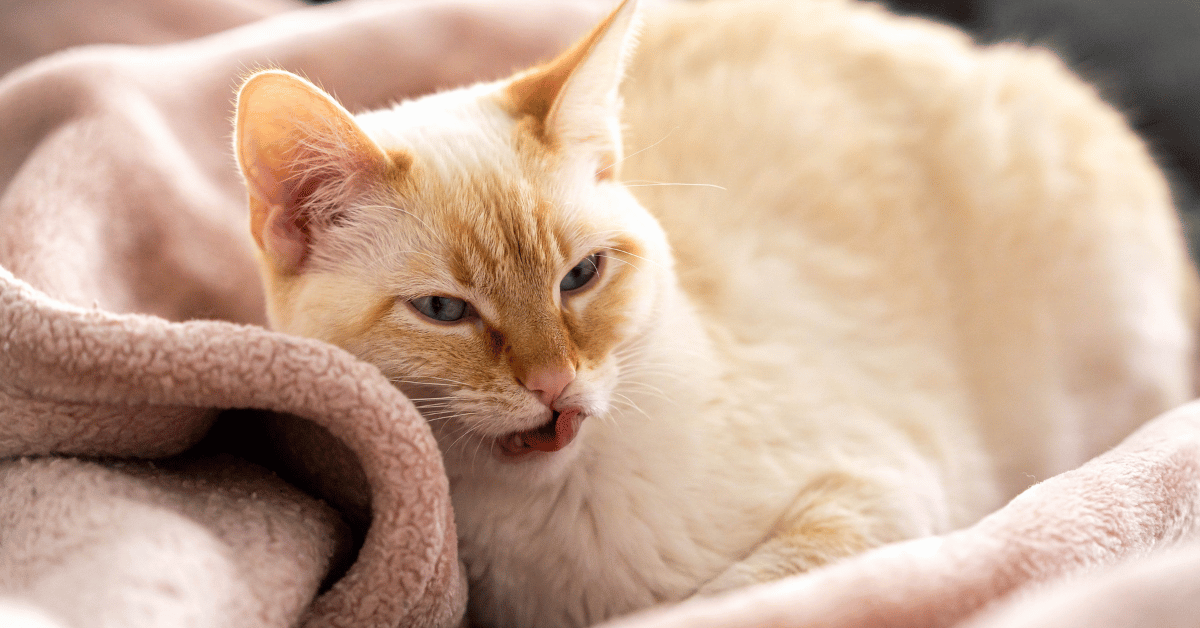
If your cat has been sneezing more than usual, you might be wondering whether it is something to worry about. Just like humans, cats sneeze to clear irritants from their nasal passages. An occasional sneeze is perfectly normal, but frequent or persistent sneezing can signal an underlying health issue that needs attention.
At Animal Care Clinic in Junction City, KS, we regularly see cats with sneezing-related concerns. Here is what you need to know about the most common causes of cat sneezing and when it is time to bring your feline friend in for a checkup.
Common Causes of Cat Sneezing
1. Upper Respiratory Infections
Upper respiratory infections (URIs) are the most common cause of persistent sneezing in cats. These infections are typically caused by viruses such as feline herpesvirus (FHV-1) or feline calicivirus (FCV). Bacterial infections can also contribute, often as secondary infections.
Symptoms of a URI include:
• Frequent sneezing fits
• Nasal discharge (clear, yellow, or green)
• Watery or red eyes
• Reduced appetite
• Lethargy or low energy
URIs are highly contagious between cats, so if you have a multi-cat household, monitor all of your cats closely.
2. Allergies and Environmental Irritants
Cats can be sensitive to a variety of environmental irritants and allergens. Common triggers include:
• Dust and dust mites
• Pollen (especially seasonal)
• Cigarette smoke
• Strong perfumes or air fresheners
• Cleaning products and chemicals
• Essential oils or diffusers
• Cat litter dust
If your cat sneezes mostly when exposed to a specific environment or product, allergies or irritants may be the cause.
3. Foreign Objects in the Nasal Passage
Curious cats sometimes inhale small objects like blades of grass, seeds, or small debris. A foreign body lodged in the nasal passage can cause sudden, intense sneezing, often accompanied by pawing at the nose. This typically requires veterinary intervention to safely remove the object.
4. Dental Disease
This may surprise many pet owners, but dental problems can cause sneezing in cats. The roots of the upper teeth sit very close to the nasal passages. When a tooth becomes infected or abscessed, the infection can spread to the sinus area, triggering sneezing and nasal discharge. Dental disease is one of the most commonly overlooked causes of chronic sneezing in cats.
5. Nasal Polyps or Tumors
Growths inside the nasal cavity or nasopharynx can cause chronic sneezing, noisy breathing, and nasal discharge. Nasal polyps are noncancerous growths more commonly seen in younger cats, while nasal tumors are more typical in older cats. Both require veterinary diagnosis, usually through imaging or endoscopy.
6. Fungal Infections
Although less common, fungal infections like cryptococcosis can affect the nasal passages and cause persistent sneezing. These infections may produce a thick nasal discharge and can be serious if left untreated.
When to See a Vet About Cat Sneezing
An occasional sneeze with no other symptoms is generally nothing to worry about. However, you should schedule a veterinary appointment if you notice:
• Sneezing that persists for more than a few days
• Colored nasal discharge (yellow, green, or bloody)
• Loss of appetite or refusal to eat
• Eye discharge or squinting
• Lethargy or noticeable decrease in activity
• Difficulty breathing or open-mouth breathing
• Swelling around the nose or face
Important: If your cat is struggling to breathe, has blood coming from the nose, or shows signs of severe distress, seek emergency veterinary care immediately.
How Is Cat Sneezing Diagnosed?
When you bring your cat to Animal Care Clinic for sneezing, our veterinary team will start with a thorough physical examination. Depending on the findings, we may recommend:
• Blood work to check for infections or immune issues
• Nasal swab cultures to identify bacteria or fungi
• Dental examination to rule out tooth root infections
• X-rays or advanced imaging of the skull and nasal passages
• Rhinoscopy (nasal endoscopy) for direct visualization of the nasal cavity
• Biopsy of nasal tissue if growths are suspected
Treatment Options for Sneezing Cats
Treatment depends on the underlying cause:
Viral infections: Supportive care including fluids, nutritional support, and sometimes antiviral medications. Most cats recover within one to three weeks.
Bacterial infections: Antibiotics prescribed by your veterinarian, typically for 10 to 14 days or longer.
Allergies: Identifying and removing the irritant, along with possible antihistamine therapy.
Dental disease: Dental surgery or extraction of the affected tooth.
Foreign bodies: Removal under sedation or anesthesia.
Nasal polyps or tumors: Surgery, and in some cases, additional treatment such as radiation therapy.
Fungal infections: Antifungal medications, which may need to be given for several weeks or months.
How to Help Your Sneezing Cat at Home
While veterinary care is essential for persistent sneezing, there are a few things you can do at home to keep your cat comfortable:
• Keep your home free of strong scents, smoke, and chemical sprays
• Use a low-dust, unscented cat litter
• Run a humidifier to help ease nasal congestion
• Make sure your cat stays hydrated and continues eating
• Gently wipe away nasal or eye discharge with a warm, damp cloth
• Keep your cat's living area clean and well-ventilated
Keep Your Cat Healthy with Regular Vet Visits
Many causes of cat sneezing can be caught early with routine veterinary checkups. Vaccinations help prevent common viral infections such as feline herpesvirus and calicivirus, and regular dental cleanings can prevent tooth infections before they lead to nasal problems.
If you have concerns about your pet, schedule an appointment with Animal Care Clinic today. Call us at (785) 762-5631 or visit us at 106 N. Eisenhower Dr, Junction City, KS 66441.